Enrichment Freeze Dispute Derails Near-Final US–Iran Deal Despite Progress on Sanctions and Energy Talks
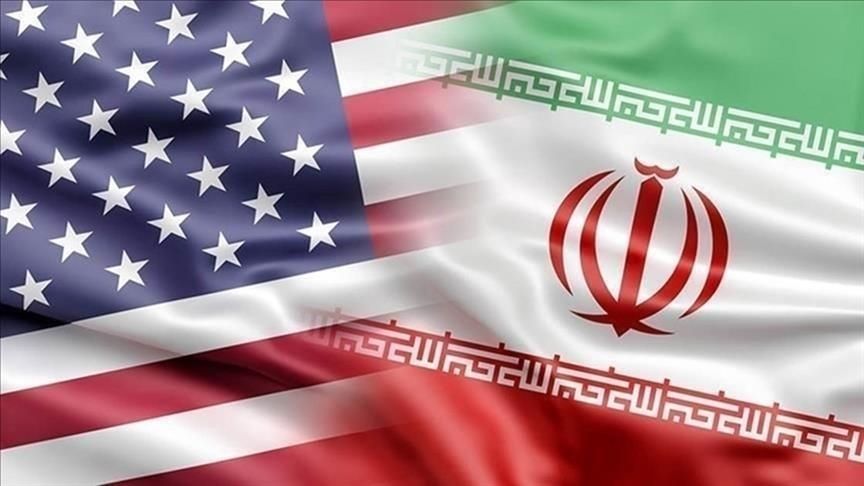
A major diplomatic effort between the United States and Iran has encountered a critical setback after negotiations that were reportedly “80% complete” but unfortunately it failed to reach a final agreement. Within these high-level talks held in Islamabad has marked one of the most significant direct engagements between the two nations in over a decade. In the initially stage raising strong expectations from each other’s countries which breakthrough in long-standing geopolitical tensions.
During this substantial progress gained global attentions across multiple negotiation areas but the discussions ultimately collapsed over a key unresolved issue related to Iran’s nuclear programme. This breakdown clearly highlights how even advanced-stage agreements remain vulnerable when core strategic concerns are not fully aligned.
- Talks reached approximately 80% agreement before breakdown
- High-level diplomatic engagement resumed after years of limited interaction
- Nuclear policy differences halted final consensus
This outcome goes the persistent complexity of reconciling long-term security demands with national sovereignty considerations.
Conflicting Timelines on Nuclear Restrictions Become Primary Barrier to Agreement
The central point of between these disagreements in the negotiations was the duration of restrictions on Iran’s uranium enrichment activities. The United States proposed a long-term freeze extending up to 20 years because they have aimed at ensuring sustained limitations on Iran’s nuclear development capabilities.
In contrast, Iran indicated its willingness to accept a significantly shorter restriction period of up to five years. This wide gap in proposed timelines proved to be the decisive obstacle which preventing both sides from reaching a mutually acceptable compromise.
• US proposed a 20-year restriction framework
• Iran offered a maximum five-year suspension period
• Duration mismatch emerged as the key deal-breaking issue.
This divergence clearly reflects a deeper trust deficit with both nations prioritizing fundamentally different strategic time horizons.
Evolving US Position Signals Tactical Flexibility Without Diluting Long-Term Safeguards
Within the proposal from the United States has represents a notable shift towards earlier positions that called for a permanent halt to Iran’s nuclear programme. They are introducing a time-bound framework in Washington demonstrated a more flexible and phased diplomatic approach aimed at advancing negotiations.
However, these insistence on a long-duration freeze to highlights that long-term risk mitigation remains a central priority. In a Iran continues to balance engagement with preserving its nuclear autonomy continuous offering limited concessions without committing to extended restrictions.
• Shift from permanent halt to time-based limitation strategy
• Long-term safeguards remain critical for US policy
• Iran seeks controlled concessions without long-term commitments.
This continuous evolving negotiation posture with indicates an attempt by both sides to adapt strategies while maintaining core national interests.
Broader Negotiation Agenda Included Energy Stability and Economic Relief Measures
In addition to nuclear restrictions but these talks covered several interconnected geopolitical and economic dimensions. Within these discussions included the potential reopening of the Strait of Hormuz it is a critical global oil transit route as well as the possibility of easing economic sanctions imposed on Iran.
These elements were central to creating a comprehensive agreement framework that could stabilize regional energy flows and support economic recovery. However, the inability to resolve the nuclear issue effectively stalled progress across these parallel areas.
- Energy transit routes featured prominently in discussions
- Sanctions relief considered a key incentive for agreement
- Nuclear disagreement halted broader economic and strategic progress
This interconnected structure clearly highlights the central role of nuclear policy in shaping wider geopolitical outcomes.
Continued Engagement Signals Strategic Importance of Diplomatic Resolution
Globally amid the such breakdown between the United States and Iran have indicated that negotiations are ongoing with additional rounds of talks expected. The continuation of dialogue reflects a shared recognition of the importance of reaching an agreement, even amid unresolved differences.
Behind these negotiations to maintaining diplomatic channels is seen as essential to preventing further escalation and ensuring that progress achieved so far is not entirely lost.
• Negotiations remain active despite lack of final agreement
• Additional rounds of dialogue under consideration
• Diplomatic channels continue to play a stabilizing role
This sustained engagement suggests that both sides are committed to exploring pathways toward eventual consensus.
Strategic Friction Highlights Structural Challenges in Long-Term Nuclear Agreements.
The collapse its almost reached near to final agreement showing the the inherent fragility of high-stakes diplomatic negotiations. Even when substantial progress is achieved but these unresolved structural differences such as timelines, enforcement mechanisms and trust can derail outcomes.
The disagreement over enrichment duration reflects concern across the broader related to national security, even which influence to geopolitical and long-term regional stability. When moving forward to resolving these foundational issues will be essential for any successful agreement.
• Advanced-stage agreements remain sensitive to core disagreements
• Nuclear policy continues to define bilateral relations
• Future negotiations may require phased or hybrid compromise models
This episode demonstrates that while diplomatic momentum exists with achieving a durable resolution will depend on bridging deep-rooted strategic divides.