Miniature Ball Bearing Industry Outlook: Rising demand in automotive, robotics, and precision electronics driven by electrification and miniaturization by 2035.
Industry Overview:
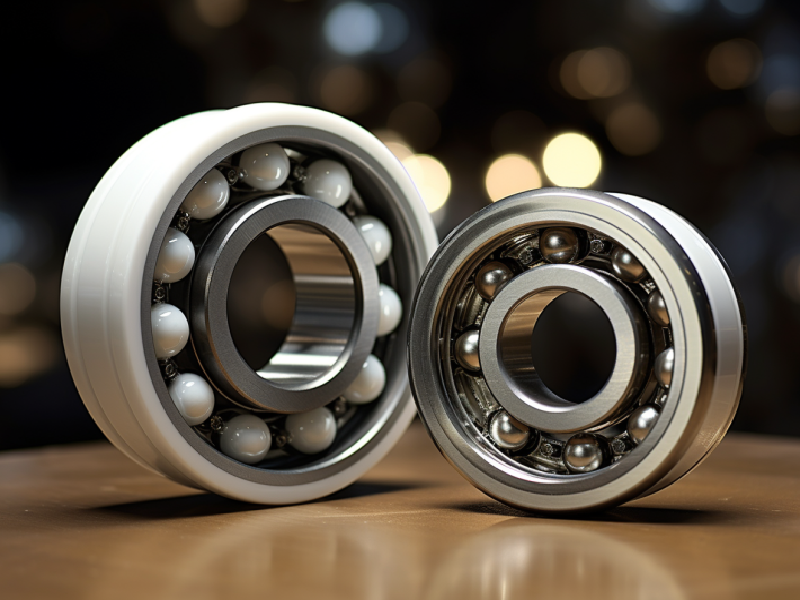
The global miniature ball bearing market is estimated to reach USD 2,230.2 million in 2025, reflecting a Y-O-Y of 6.3%. Growth in the miniature ball bearing market is driven by rising demand across electric vehicles, robotics, aerospace instruments, and medical devices. Increasing adaption of miniature ball which support to hybrid ceramic bearings featuring with advanced heat based resistant coatings or ultra-lightweight designs and self-lubricating surfaces. Nowadays expansion of precision manufacturing and industrial automation are main factor to boosting assembly efficiency and reducing maintenance downtime. Recent technological advancements such as vibration-dampening bearing cages with also nano-textured raceways and high-speed miniature designs are enhancing durability or it’s capable to load capacity and energy efficiency is collectively fueling global demand for miniature ball bearings across multiple high-performance sectors.
Industry Insights: Scale, Segments, and Shifts
- Market Size & Growth: The global miniature ball bearing market is projected to reach USD 4,069.9 million by 2035, registering a CAGR of 6.2% between 2025 and 2035.
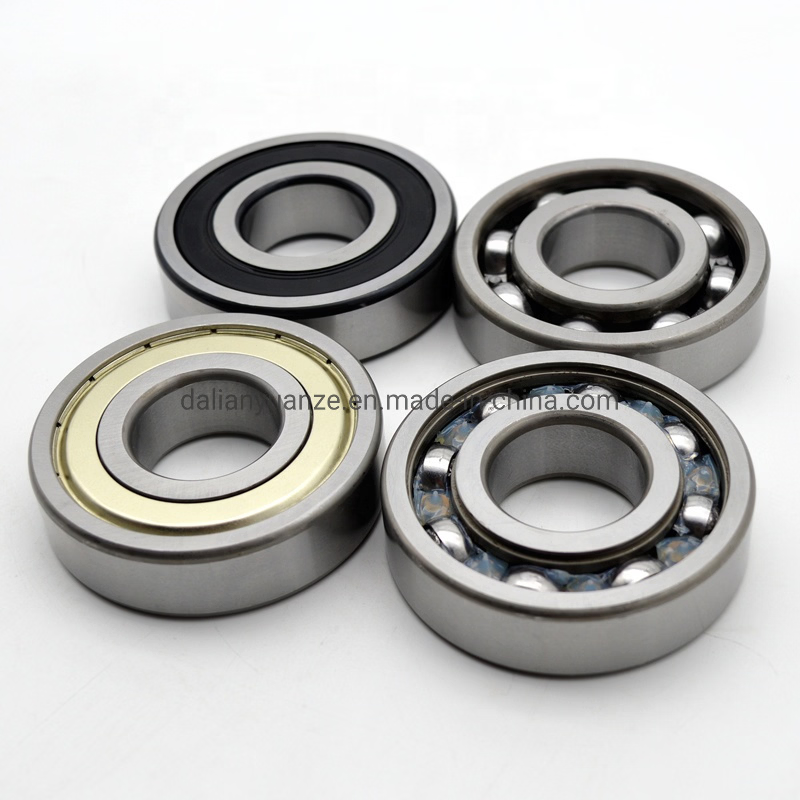
- Segment Analysis: Dust Cover Bearings make up about 55% of the market due to their superior protection against dust and contaminants in automotive and industrial applications, while Open Bearings are expected to show the fastest growth because of their adoption in robotics and aerospace instruments.
- Regional Highlights: Asia Pacific holds nearly 40% of the overall market share in 2024 due to rapid expansion of electric vehicle production and rising precision electronics manufacturing, while North America demonstrates strong demand driven by growing medical device production and the need for high-reliability bearings in industrial automation upgrades.
- Competitive Landscape: Competitive Landscape: The market is moderately consolidated with key players such as NSK Ltd., SKF Group, and RBC Bearings. These companies are focusing on hybrid ceramic and ultra-lightweight designs, vibration-dampening cages, and self-lubricating surfaces to improve durability, performance, and reduce maintenance in high-precision applications.
Factors Shaping the Next Decade
- Market Gaps / Restraints: High precision miniature bearings require specialized hybrid ceramic materials and advanced heat-resistant coatings, making production expensive and limiting adoption in cost-sensitive automotive and medical device sectors. Limited availability of ultra-lightweight, high-speed miniature designs also restricts deployment in aerospace and robotics applications.
- Key Trends and Innovations: The industry is witnessing a transition towards self-lubricating miniature bearings, nano-textured raceways for reduced friction, and vibration-dampening bearing cages that enhance durability and load capacity. High-speed miniature bearings with advanced surface coatings for extreme temperature tolerance and extended operational life were recently launched, improving precision and reducing maintenance downtime across robotics, aerospace, and electric vehicle systems.
- Potential Opportunities: Development of ultra-high-speed miniature bearings for surgical robotics, customized hybrid ceramic designs for aerospace instrumentation, and vibration-optimized bearings for next-generation industrial automation are expected to create significant growth avenues and unlock major revenue potential in the coming decade.
Recent Industry Updates:
- August 2025: Flow International Corporation unveiled the next‑generation Flow NX Pro waterjet system at FABTECH 2025 with featuring automated abrasive recycling which support energy‑saving pump technology and modern intuitive software for enhanced cutting efficiency and lower costs.
- January 2025: Schaeffler Group introduced optimized current‑insulated bearings with advanced Insutect A coating for enhanced protection against electrical currents to improving durability and performance in rail, wind energy, and automated industrial systems.
Industry Outlook Scope:
By Type
- Dust cover
- Open
- Others
By Material
- Chrome Steel
- Stainless Steel
- Ceramic & Hybrid Ceramic
By End-Use Industry
- Automotive
- Industrial Automation
- Aerospace & Defense
- Consumer Goods
- Healthcare & Medical
- Others
Geographical Insights: Emerging Corridors of Growth
- Regional Overview: In Europe, demand for miniature ball bearings is rising due to growth in medical devices and precision industrial equipment those supported by strong manufacturing standards and quality-focused production ecosystems. The Middle East and Africa are seeing expansion driven by defense equipment projects which require reliable or high-performance bearings. In Latin America’s market growth is driving due to modernization of mining operations or automotive parts production and government initiatives promoting local manufacturing and workforce development.
- Countries to Watch: Germany leads in Europe with innovation clusters and precision manufacturing expertise. Brazil is emerging in Latin America due to industrial modernization and mining automation investments. The Saudi Arabia are rapidly adopting miniature ball bearings in infrastructure, and renewable energy projects are supported by strategic government diversification and technology initiatives.
Regulatory Environment and Policy Support
- Government Regulations & Supportive Policies: Global miniature ball bearing manufacturers comply with international quality and performance standards, such as ISO 9001 (Quality Management), ISO 15 & ISO 492 (Rolling Bearing Dimensions and Tolerances), and ABEC Tolerance Classes. These standards ensure manufacturing precision, reliability, and operational safety of miniature ball bearings in critical applications worldwide.
- Key Government Initiatives: Initiatives like Programs like India’s BIS Quality Control Orders and related industrial quality frameworks support compliance with both Indian and international bearing standards which promoting market trust and adoption of high-performance miniature ball bearings in automotive, industrial, aerospace, and robotics applications
Competitive Landscape and Strategic Outlook
The miniature ball bearing industry is moderately concentrated, with dominant players are expanding their presence through regional joint ventures and specialized R&D centers. Global prominent manufacturers are shifting their focus towards adoption smart CNC integration and eco-efficient material and lubrication technologies. The niche innovators are leveraging on-demand training and flexible leasing models to capture emerging industrial segments with including robotics, electric vehicles, medical devices, and high-speed electronics manufacturing.
Industry Competition:
- NSK Ltd.
- SKF Group
- RBC Bearings
- Schaeffler Group
- MinebeaMitsumi
- THK Co., Ltd.
- Timken Company
- NTN Corporation
- JTEKT Corporation
- Nachi-Fujikoshi Corp.
- ABB
- Siemens
- Boca Bearing Company
- AST Bearings
- CW Bearing GmbH
- Reinfurt GmbH & Co. KG
- Kitanihon Seiki Co. Ltd
Analyst Perspective
The miniature ball bearing market is poised to evolve through smart manufacturing and Industry 5.0 adoption with increased deployment of sensors which support predictive maintenance systems and automated quality inspection. In the during next three to five years, growth will be expected to be rising due to demand in electric mobility with precision robotics or aerospace components and medical devices. In emerging players focusing to provided sustainable materials with low-friction coatings and modular component solutions are likely to gain strategic advantage. The globally established manufacturers investing in digital twin simulations and connected supply chains will strengthen operational resilience and capture higher value across global industrial applications.
What to Expect from Outlook:
- Save time carrying out entry-level research by identifying the size, growth trends, major segments, and leading companies in the global miniature ball bearing market.
- Use PORTER’s Five Forces analysis to assess the competitive intensity and overall attractiveness of the global miniature ball bearing market sector.
- Profiles of leading companies provide insights into key players’ regional operations, strategies, financial results, and recent initiatives.
- Add weight to presentations and pitches by understanding the future growth prospects of the global miniature ball bearing market with a forecast for the decade by both market share (%) & revenue (USD Million).