Failed Breakthrough Attempt Highlights Rising Maritime Tensions and Disruption in Global Oil Transit
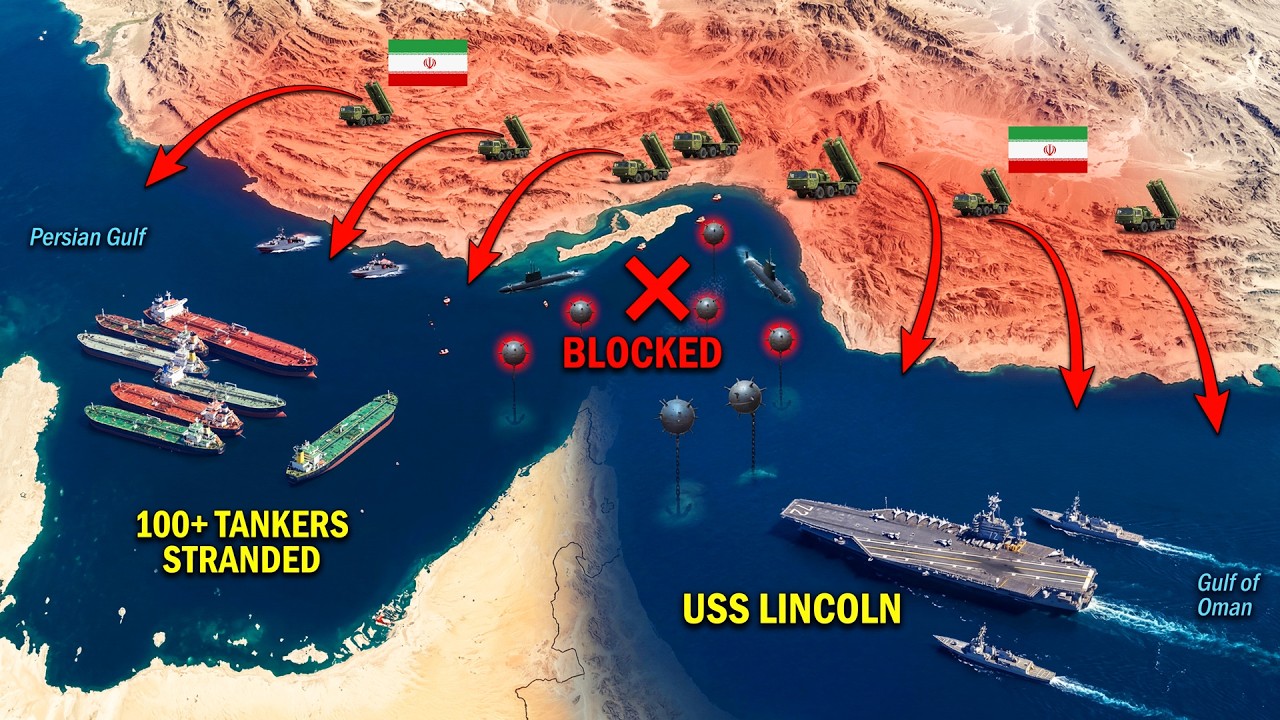
A significant increasing maritime tension has emerged after a US has sanctioned oil tanker failed to break through an American naval blockade and was forced to turn back toward the Strait of Hormuz. These incident underscores the immediate impact of the United States’ which create enforcement measures following the breakdown of recent diplomatic efforts with Iran. The vessel identified as Rich Starry has attempted to navigate through the restricted corridor but ultimately reversed course are highlighting the growing risks associated with sanctioned maritime operations.
This development marks one of the earliest visible outcomes of the blockade strategy which reflecting how geopolitical decisions are rapidly influencing real-time shipping movements and energy logistics.
- Sanctioned tanker failed to cross US-imposed blockade
- Vessel turned back toward Strait of Hormuz after failed attempt
- Incident signals immediate enforcement effectiveness
The situation creating awareness how quickly strategic actions can disrupt critical global trade routes.
US Blockade Enforcement Demonstrates Strong Initial Control
The United States has established their firm operational control in the early phase of its naval blockade with no vessels successfully breaching restrictions during the initial enforcement period. In the several ships operating in the region were either intercepted or instructed to change course are reinforcing the seriousness of the measures.
The presence of US naval forces has created a high-compliance environment with shipping operators exercising caution to avoid confrontation or penalties. This has significantly influenced vessel movement decisions across the region.
• No ships breached blockade during initial enforcement phase
• Multiple vessels redirected under US naval instructions
• Strong military presence ensured high compliance levels.
This early enforcement success indicates a strong deterrence effect on commercial shipping activity.
Sanctioned Vessel Movement Reflects Pressure on Iran-Linked Trade
The tanker involved that reportedly linked to Chinese operations and previously sanctioned for engaging in Iran has related to trade even which represents a broader category of vessels now facing increased scrutiny. Its continuous carrying a substantial cargo of methanol so this movement was closely monitored by global energy stakeholders.
The vessel’s retreat clearly highlights the operational and financial risks associated with continuing trade under sanctions particularly in high-surveillance zones like the Strait of Hormuz.
• Vessel associated with sanctioned Iran-linked trade networks
• Transported chemical cargo during attempted transit
• Movement tracked by global shipping and energy sectors.
This reflects a required stricter regulatory environment that directory impacting on maritime trade linked to Iran.
Shipping Activity Declines Amid Heightened Risk Environment
The blockade has significantly reduced overall shipping traffic through the Strait of Hormuz it’s a critical chokepoint for global oil supply. These conditions have compared to normal vessel movement has declined as operators reassess risk exposure.
Rising prices for insurance premiums with rising security concerns and uncertainty around safe passage have further contributed to cautious operational strategies. Even ships not directly linked to sanctioned trade are being affected by the broader disruption.
- Shipping traffic reduced significantly from typical levels
- Insurance and operational risks have sharply increased
- Non-sanctioned vessels also impacted by uncertainty
These developments highlight the wider economic consequences of geopolitical conflict on global supply chains.
Blockade Follows Breakdown of US–Iran Diplomatic Efforts
The enforcement of the naval blockade comes in the aftermath of stalled diplomatic negotiations between the United States and Iran. With talks failing to produce a conclusive agreement with the US has shifted toward stricter enforcement measures aimed at limiting Iran’s trade capabilities.
Specially targeting maritime routes, they have strategy seeks to exert economic pressure while maintaining strategic control over a vital energy corridor. This approach also raises concerns about further escalation in the region.
• Blockade introduced after collapse of diplomatic talks
• Strategy aimed at restricting Iran’s energy exports
• Increased potential for geopolitical escalation
This shift directly reflects a move from negotiation which driven diplomacy to enforcement for led pressure tactics.
Global Energy Markets Face Rising Uncertainty
These disruption in tanker movement through the Strait of Hormuz is contributing to growing uncertainty in global energy markets. The major transit route for oil shipments any sustained restriction can have immediate implications for supply stability and pricing.
Globally energy stakeholders including traders and logistics providers are closely monitoring developments as the situation evolves. This prolonged disruption could be led to increased volatility and supply chain adjustments.
- Strait of Hormuz remains vital for global oil supply
- Market uncertainty driven by restricted transit flows
- Energy players actively monitoring geopolitical developments
This scenario underscores the interconnected relationship between geopolitical stability and global energy systems.
Strategic Maritime Tensions Highlight Vulnerability of Trade Routes
Within these sanctions the first attempt was failed for tanker to cross the blockade which highlights the fragile balance between military enforcement and commercial shipping operations. This kind of incident shows how quickly geopolitical tensions can translate into tangible disruptions for global trade.
During these disruptions situation continues to boosting through the Strait of Hormuz has remained a focal point of strategic importance and potential conflict. In the future developments will depend on whether diplomatic engagement can resume or tensions escalate further.
• Maritime tensions directly impacting global trade routes
• Strategic chokepoints becoming centers of conflict
• Long-term stability which depends on diplomatic resolution
This episode beneficial for clearly reinforces the vulnerability of global supply chains in the face of escalating geopolitical tensions.