Global Humanitarian Emergency Intensifies:
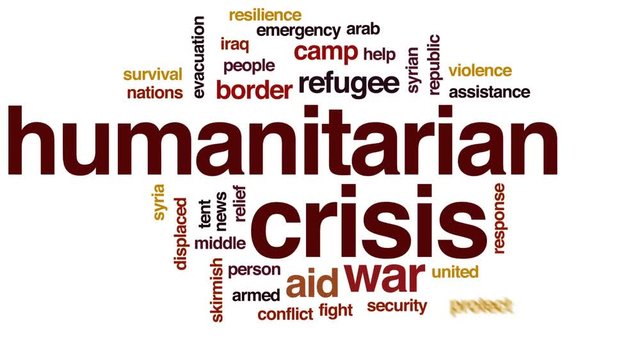
The ongoing geopolitical conflicts are expanding a severe humanitarian crisis with rising displacement and highly created food shortages and health risks affecting millions of people across multiple regions. International aid organizations are gives warning of worsening conditions as resources become strained and response capacity reaches its limits.
The displacement of populations which creating pressure on neighbouring countries and global relief systems with suffering challenges for providing shelter, food, and medical assistance. Refugee camps are becoming overcrowded and infrastructure is struggling to support the sudden rise in population.
- Rapid increase in displaced populations globally.
- Growing pressure on humanitarian aid systems.
- Rising demand for food, shelter, and medical support.
- Overcrowding in refugee settlements and urban shelters.
- Increased cross-border migration creating regional instability.
Food Security Concerns Escalate Across Regions:
Global food supply chains are being disrupted due to middle east conflict which directly related to trade created restrictions on transportation has made big challenges. In key agricultural exports countries are facing delays of food and others materials which required for daily life leading to shortages and price increases in several regions. This disruption impacting on farming activities in conflict zones is further reducing food production capacity.
When we look towards developing countries are particularly vulnerable as rising food prices are affecting accessibility and increasing the risk of malnutrition. In several regions, households are being forced to reduce food consumption or shift to lower-quality diets.
- Disruptions in global agricultural supply chains.
- Rising food prices and reduced accessibility.
- Increased risk of hunger and malnutrition.
- Decline in agricultural productivity in conflict-affected regions.
- Dependence on imports increasing vulnerability of economies.
Healthcare Systems Struggle Under Increased Burden:
In affected regions healthcare systems are facing immense pressure on globally due to increased patient loads and limited resources. This sector nowadays experiencing shortages of medicines, equipment and trained personnel which making it more difficult to manage both emergency injuries and routine healthcare needs.
The risk of disease outbreaks is rising as displaced populations often lack access to clean water, sanitation, and hygiene facilities. When rising mental health challenges are also increasing due to trauma and prolonged exposure to conflict situations.
Global health organizations are mobilizing resources to prevent large-scale health emergencies and to support frontline medical workers.
- Overburdened healthcare infrastructure in conflict zones
- Increased risk of infectious disease outbreaks.
- Urgent need for medical aid and resources.
- Rising mental health issues among affected populations.
- Facing challenge of essential medicines and healthcare personnel shortage.
Economic Instability Worsens Humanitarian Conditions:
Economic disruptions which directly caused trough the conflicts are create upcoming aggravating humanitarian challenges. Rapidly expanding Inflation even its lead the unemployment and impacting on reduced economic activity are limiting the ability of governments to provide adequate support to affected populations.
The destruction across the infrastructure, businesses and local markets is weakening economic systems with reducing income opportunities. The combination of economic and humanitarian crises is creating long-term risks for global stability.
- Economic slowdown affecting relief efforts.
- Rising unemployment and poverty levels.
- Limited government capacity for crisis response.
- Destruction of local businesses and livelihoods.
- Increasing dependency on international aid.
Global Response and Aid Challenges:
Globally many International organizations are goes under the difficult situations so they tiring to coordinating efforts for getting relief due to faces logistical and funding constraints challenge. These will be creating political tensions are also affecting the distribution of aid in certain regions.
Despite these challenges they take efforts for overcome ongoing conflicts to provide emergency assistance and stabilize affected communities.
- Logistical barriers in delivering humanitarian aid
- Funding shortages impacting relief operations
- Need for stronger international coordination
Future Outlook:
The humanitarian situation is expected to spoiled more global conflicts continue without resolution. Recovery for long-term will require to maintain sustained international cooperation which also proved e support to economic and infrastructure rebuilding.
Key challenges include:
- Expanding immediate humanitarian needs across the globe.
- Ensuring long-term recovery and stability.
- Enhancing resilience against future crises globally.
- Increasing focus towards coordination between governments and aid agencies.
This current scenario pointing to underscores deeply towards geopolitical conflicts which impacting on human they highlight to the urgent need for coordinated global action for prevent deterioration while ensuring long-term recovery and resilience.