The global bionic prosthetics market is now entering a strong transformation phase shifting from conventional assistive devices toward preferred to adapt intelligent, sensor-driven mobility systems that enhance functional independence and rehabilitation outcomes. According to the latest strategic industry outlook by Stalwart Research Insights they clearly mention that, the market is gained USD 1.79 Bn in 2025 and is projected to reach approximately USD 3.2 Bn by 2032 with registering steady growth. Gaining this growth driven through the increasing amputation prevalence with aging population expansion and rising demand for advanced mobility restoration solutions across healthcare systems.
This growth trajectory is becoming possible to covered because increase reinforced trough the rapid advancements in neuroprosthetics with implantable interface systems and multi-articulating bionic limbs. It is capable of delivering real-time sensory feedback from healthcare providers and prosthetic developers are increasingly focusing on improving precision control also long-term comfort and patient-device integration. It is accelerating adoption across rehabilitation centers, trauma care facilities and defense healthcare systems.
Neuro-Integrated Prosthetic Systems Redefining Functional Mobility Outcomes
This market is witnessing for a major technological shift toward neuro-integrated prosthetic systems that enable direct communication between the human nervous system and artificial limbs. Improvement in innovations such as targeted muscle reinnervation (TMR), implantable peripheral nerve interfaces and osseointegration are significantly enhancing prosthetic responsiveness and usability.
These technologies allow to users for achieve more natural movement patterns and improved control accuracy with reducing reliance on mechanical operation. Expanding integration of AI-driven motion calibration and adaptive learning systems is further strengthening real-time responsiveness.
Key developments include:
• Adoption of implantable neuromuscular interface systems for enhanced control
• Growth in osseointegrated prosthetics enabling direct skeletal attachment
• Integration of real-time sensory feedback and haptic response systems
• AI-enabled adaptive motion tuning improving functional precision.
These advancements are continuous transforming towards prosthetics into intelligent mobility solutions rather than passive assistive devices.
Rising Amputation Cases and Aging Population Driving Clinical Demand
The increasing global incidence of limb amputations which driven by diabetes, vascular diseases, trauma injuries and conflict-related cases is a create major growth driver for the bionic prosthetics market. In the same time expanding geriatric population is contributing to higher demand for rehabilitation and mobility restoration solutions.
Globally within the healthcare systems are shifted their priorities towards advanced prosthetics for improve patient outcomes with reduce long-term disability and enhance quality of life. This is evident for developed regions with strong reimbursement frameworks and advanced clinical infrastructure.
Key demand drivers include:
• Rising issues related to diabetes for amputations and chronic disease prevalence.
• Growing geriatric population those requiring mobility assistance.
• Increased demand for rehabilitation to focused healthcare solutions.
• Expansion of trauma and defense-related prosthetic applications.
This demand is creating sustained growth across hospitals, prosthetic clinics, and rehabilitation centers globally.
Supply Chain Constraints and Cost Pressures Impacting Market Accessibility
Despite captured notable technological progress but still the market continues face structural challenges related to high costs and supply chain dependencies. Even advanced bionic prosthetics require precision components such as sensors, actuators, and microprocessors which are vulnerable to global supply disruptions and pricing volatility.
Increasing geopolitical tensions and semiconductor supply constraints are influencing to the production timelines and increasing overall system costs. In limited reimbursement coverage in several regions is restricting accessibility for patients.
Key challenges include:
- High cost of advanced prosthetic systems limiting affordability
- Supply chain disruptions affecting critical electronic components
- Limited insurance and reimbursement coverage in emerging markets
- Complex regulatory requirements delaying product approvals
Globally manufactures has faces some issues so they are focusing on expand localized production with provide modular designs and cost-efficient fabrication technologies such as 3D printing.
Shift Toward Personalized, 3D-Printed, and Scalable Prosthetic Manufacturing
The industry is increasingly moving toward personalized prosthetic solutions enabled by digital design, 3D printing and biocompatible material innovation. These technologies allow for rapid customization with improved fit for reduced production costs which making advanced prosthetics more accessible.
At the same time in modular prosthetic architectures are gaining traction because it is enabling for easier upgrades and maintenance. In the Cloud-based calibration systems are also being introduced to enhance device performance through continuous data-driven optimization.
Key innovation trends include:
- Expansion of 3D-printed prosthetics for cost-efficient customization
- Development of lightweight and modular component architectures
- Use of biocompatible and durable advanced materials
- Integration of cloud-based performance optimization systems
This shift is enabling to expanding scalable deployment of prosthetic solutions across diverse patient segments and geographic regions.
Competitive Landscape Focused on Innovation and Accessibility Expansion
The market is moderately consolidated, with leading players has made prorates for build advanced neuromuscular control systems, sensor-integrated prosthetic platforms and cost-optimized solutions. They have aimed to expand global accessibility due to many companies are strengthening their position through innovation-led product development with strong clinical partnerships and expansion into emerging markets.
Top Industry Players:
• Össur
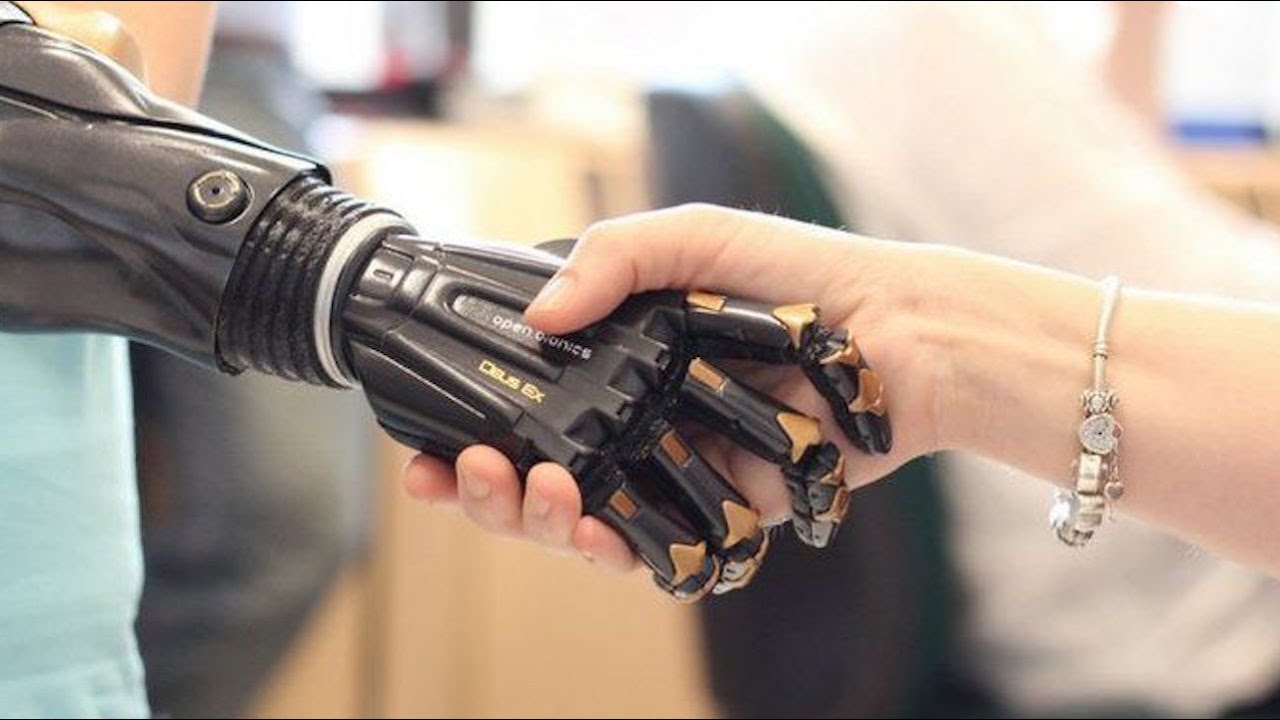
• Open Bionics
• Myomo Inc.
• Mobius Bionics
• Esper Bionics
These companies are ready for provide strong financial support for next-generation prosthetics also including AI-powered limbs, modular architectures and affordable 3D-printed devices to strengthen their competitive positioning.
Evolving Toward Intelligent and Bio-Integrated Mobility Ecosystems
The bionic prosthetics market is rapidly evolving with help of technological innovation such as intelligent, bio-integrated mobility ecosystem where human-device interaction is becoming increasingly seamless. Within the market increasing advancements in neural signal processing also biomechanical engineering and adaptive control systems are expected to enhance prosthetic performance.
In the coming years convergence of biotechnology even artificial intelligence and advanced materials will play a critical role to shaping next-generation prosthetics. This evolution is expected to accelerate adoption rates and redefine rehabilitation outcomes. It is beneficial for positioning bionic prosthetics as a core component of future healthcare and assistive technology systems.