Neurotechnology Innovation Gains Global Attention:
The global technology ecosystem is witnessing a major breakthrough as Elon Musk continues introduces innovations which accelerate the development of brain and computer interface technology through Neuralink. As per recent updates in 2026 these updates indicate that the company is progressing toward scaling its brain chip production while expanding human trials and which signalling a transition from experimental research to real-world applications.
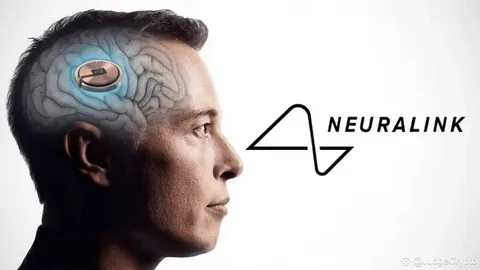
The Neuralink chip has specially designed to be implanted in the human brain using advanced robotic systems and it will be enables to direct communication between neural signals and external digital devices. This innovation is positioning itself as a transformative solution across healthcare and artificial intelligence sectors.
The growing visibility of successful patient demonstrations and ongoing regulatory discussions has successfully increased global interest towards neurotechnology which making it one of the most disruptive innovations in recent years.
- Expansion of human trials and real-world applications.
- Advancement in brain-computer interface technology.
- Increasing global attention toward neurotechnology.
- Rising integration between human cognition and AI systems.
- Acceleration in research and development investments.
Healthcare Impact Creates Transformational Benefits:
The most impactful application of Neuralink’s it is specially designed for brain chip technology lies in the healthcare sector, where it is showing the ability to restore lost functions for patients with neurological conditions. When individuals suffering from paralysis symptoms are now able to control through the digital devices such as computers and communication systems using only their thoughts.
This upgradation significantly improving independence and quality of life for patients who previously relied on external assistance. The chip also shows beneficial for potential in treating conditions such as spinal cord injuries, epilepsy, and neurodegenerative disorders.
In ongoing research is focusing on enabling vision restoration and advanced neural therapies which could further expand the scope of medical applications in the future.
- Restoration of communication and mobility functions.
- Improved independence for disabled individuals.
- Potential treatment for neurological disorders.
- Advancement in assistive healthcare technologies.
- Expansion of precision and personalized medicine.
Technological and Economic Opportunities Expand:
The development of brain chip technology is creating new opportunities across industries such as artificial intelligence, robotics, and digital communication. It is enabling direct controlling from brain-to-device interaction this technology is expected to enhance human productivity and redefine how people interact with machines.
The innovation rapidly drives globally economic growth by creating new markets and attracting investments in advanced technologies. Many companies across sectors are exploring applications of brain-computer interfaces to improve efficiency and enable next-generation digital experiences.
Expanding demand for specialized hardware, software, and skilled professionals is expected to increase significantly as the industry evolves.
- Creation of new technology-driven markets.
- Increased investment in AI and neurotechnology.
- Enhanced productivity through human-machine interaction.
- Growth in demand for skilled workforce.
- Expansion of digital and cognitive computing ecosystems.
Challenges and Ethical Considerations Remain Critical:
Despite it’s also promising to provide benefits through the Neuralink’s technology but its faces initially several challenges in the industry that must be addressed before widespread adoption. It suffering concern of data privacy and security as brain signals represent highly sensitive personal information.
Medical risks associated with surgical implantation and long-term device usage also require thorough clinical validation. Additionally, high costs may limit accessibility, particularly in developing regions.
They also face ethical concerns regarding human enhancement even issues regarding potential misuse and societal implications are being widely debated. It is required regulatory authorities are expected to play a crucial role in ensuring safe and responsible deployment.
- Data privacy and cybersecurity concerns.
- Medical risks and long-term safety validation.
- High costs limiting accessibility.
- Ethical debates on human enhancement.
- Regulatory approval and compliance challenges.
Future Outlook:
It is will be create huge potentials in futures of brain-computer interface technology is expected to witness rapid advancements as Neural ink continues to innovate and expand its capabilities. These transition toward adapting across the commercial for enhancing scale production and broader clinical applications will be key milestones in the coming years.
Key focus areas include:
- Scaling production and reducing costs.
- Ensuring long-term safety and reliability.
- Strengthening global regulatory frameworks.
- Expanding accessibility across regions.
This development clearly highlights to the rapidly growing convergence for human intelligence and artificial systems. It’s all beneficial for positioning neurotechnology as a transformative force in shaping the future of healthcare and digital interaction while emphasizing the importance of responsible and ethical innovation.