Failed Last-Minute Agreement Raises Global Concerns Over Renewed Conflict and Diplomatic Breakdown
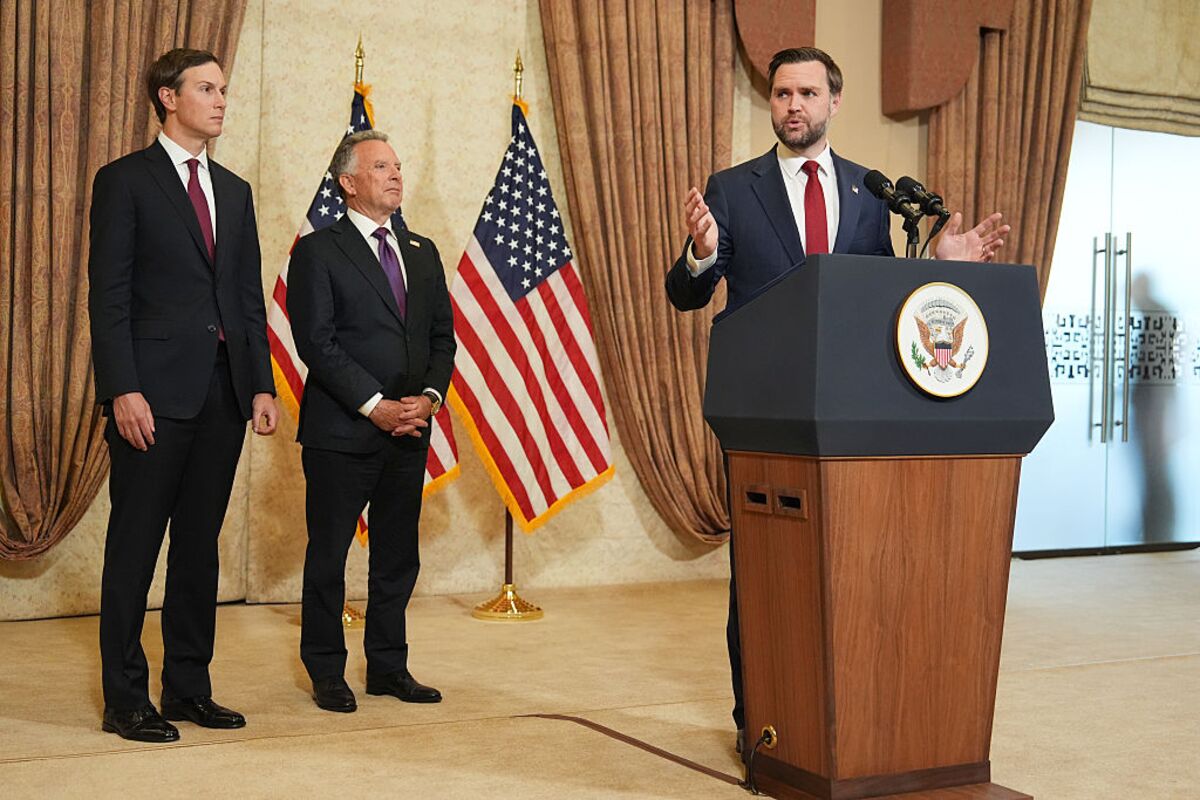
Global geopolitical tensions have sharply expanded after high stakes negotiations between the United States and Iran in the Islamabad and it has totally collapsed without reaching a final agreement despite coming close to a potential deal. These negotiations talk which extended for nearly 21 hours it has aimed at easing ongoing conflict pressures and restoring a degree of strategic stability in the Middle East. However, despite visible progress during discussions with fundamental disagreements ultimately prevented a final consensus.
The breakdown has triggered immediate concern across diplomatic with economic and security circles worldwide. In the both sides have attributed the failure to each other’s rigid positions even in the United States has strongly emphasized to Iran’s has unwillingness to accept firm commitments on nuclear limitations. While Tehran argued that Washington’s conditions were inconsistent and exceeded acceptable boundaries this exchange of accusations has further widened the trust deficit between the two nations.
This development clearly reflects the fragile and complex nature of modern diplomacy where even near-final agreements can unravel under pressure from competing strategic interests.
- Talks lasted approximately 21 hours without resolution
- Nuclear policy remained the central point of disagreement
- Mutual distrust disrupted final-stage negotiations
Despite being reportedly close to a breakthrough the inability to align on key issues highlights the difficulty of resolving long-standing geopolitical conflicts.
Nuclear Dispute and Strategic Conditions Derail Final Agreement
A major factor behind this collapse of the Islamabad talks was the disagreement over Iran’s nuclear program. The United States has maintained a firm stance even they demanding clear assurances that Iran would not pursue nuclear weapons development. This was positioned as a critical requirement for ensuring long-term regional stability and global security.
In an Iran strongly opposed these conditions and asserting that its nuclear program is intended for peaceful purposes and falls within its sovereign rights. Tehran resisted external pressure to reduce its strategic capabilities for viewing such demands as an infringement on national autonomy.
In addition to nuclear disagreements with negotiations are failed were further complicated by unresolved issues surrounding sanctions relief with regional influence and security guarantees.
• US demanded strict nuclear commitments
• Iran defended its sovereign rights and strategic independence
• Broader geopolitical concerns widened negotiation gaps.
These unresolved differences ultimately created a deadlock that preventing the agreement from being finalized.
Strait of Hormuz Tensions Add Complexity to Negotiations
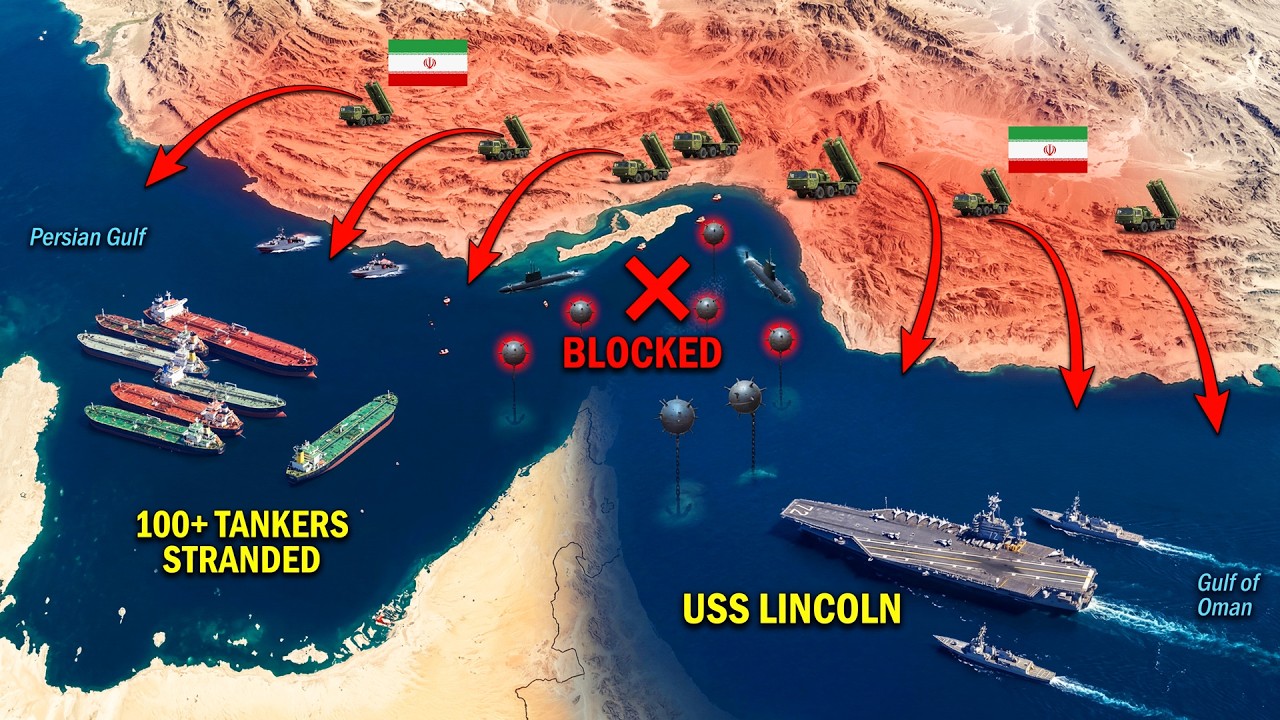
Amid the fluctuating geopolitics across the globe which create another key challenge during the talks was the ongoing tension surrounding the Strait of Hormuz it is a crucial global oil transit route. Its control and access to this strategic passage remain central to both economic and military considerations in the region.
The disagreements between United state and Iraq over ensuring secure and unrestricted passage through the Strait added further strain to negotiations. This issue carries significant global implications as disruptions can directly affect energy supply chains and international trade flows.
The continued uncertainty surrounding this maritime corridor has reinforced to the concerns about broader instability those are linking diplomatic outcomes directly to global economic conditions.
• Strait of Hormuz remains a critical geopolitical flashpoint
• Disputes over access and security persisted
• Energy supply concerns influenced negotiation dynamics.
This factor underscores how strategic infrastructure plays a vital role in shaping diplomatic outcomes.
Post-Talks Tensions Rise as Strategic Pressure Increases
Global looked towards these matters but at the collapse of negotiations which expand tensions between the two nations. In the both sides have adopted firmer positions directly signalling a shift away from immediate diplomatic engagement toward more assertive strategies.
The United States is expected to increase their strategic pressure, while Iran has warned against actions that could further destabilize the region. This shift raises concerns about potential escalation as the absence of a diplomatic agreement reduces opportunities for de-escalation.
Global stakeholders including governments and investors are closely monitoring developments which given the potential for broader geopolitical and economic consequences.
- Diplomatic failure leads to heightened tensions
- Strategic pressure between both sides intensifies
- Risk of escalation increases significantly
This transition directly highlights how quickly negotiations can give way to confrontation in sensitive geopolitical environments.
Diplomatic Prospects Fade Amid Rising Strategic Tensions
Global are looking ahead but which remains facing uncertainty both nations reassess their positions following the failed talks. While diplomatic channels may not be entirely closed with the erosion of trust and hardened stances are limiting the scope for immediate progress.
Amid fluctuating geopolitics conditions across the globe that impacting on Global markets remain sensitive to further developments particularly given the potential impact on energy prices and regional stability. This matter is very sensitive for policymakers and international institutions so they are continuous watching closely for any signs of renewed dialogue or further escalation.
It was stand on resolved stage but unfortunately it has collapse of almost its near to final agreement illustrates the delicate balance in international diplomacy, where even minor unresolved issues can derail significant progress.
• No clear timeline for renewed negotiations
• Global uncertainty continues to rise
• Long-term resolution remains unclear
Globally continuous these situations deteriorate instead of sought out directly reflects the complex interplay between geopolitical strategy. The economic stability and global security still unresolved tensions continue to shape international relations and market dynamics.